How Gardens Share the Stories Behind Flowers: Key Points
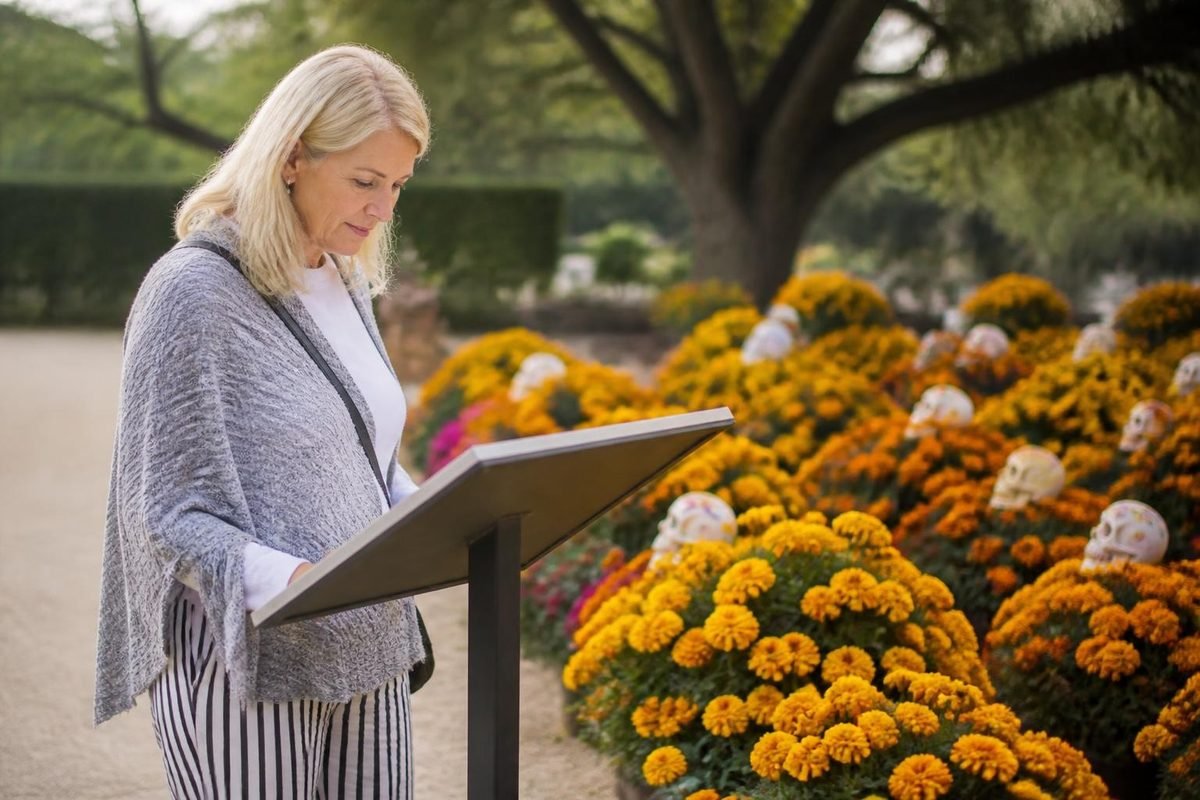
Botanical gardens honor flowers that matter to particular cultures through plant displays, public events, creative activities, and teaching. Strong programs help visitors understand both how a plant grows and the histories, customs, and communities that shape its importance.
Displays shaped by the seasons
Gardens can plan an exhibit around a plant’s bloom or a cultural occasion linked to it. Cherry blossoms, for instance, are tied to hanami, the Japanese practice of viewing flowers. By drawing attention to the short flowering season, a garden can help visitors see why spending time together beneath the trees has become a valued custom.
Labels and walks with a guide offer details that a striking view cannot convey on its own. They can describe a plant’s native range, its cultivation, and the ways its significance has shifted over time. They can also show that a single flower may hold several cultural meanings, rather than just one.
Festivals that bring people together
Flower festivals may include music, food, demonstrations, or talks alongside the plants. Such gatherings let visitors encounter a tradition through shared activity and conversation, not simply read a short account on a sign.
Marigolds show how this can work. In Mexico, their vivid flowers are associated with Day of the Dead observances and are often placed on offerings. A garden could display marigolds and explain their role in remembrance, with help from people familiar with the tradition. That guidance is useful because a flower’s meaning extends beyond its appearance.
Making and learning through art
Workshops in arranging flowers, painting, or textiles can reveal how plants are used in cultural art. For example, an instructor could demonstrate Japanese flower arranging and discuss its guiding ideas. Visitors can then notice how the chosen materials, their placement, and the open space around them all contribute to a composition.
Making something by hand also encourages close attention to leaves, stems, and petals. Gardens can explain where an art form comes from and acknowledge its teachers, so a technique is not separated from its history. Some cultural practices are not suitable for a casual workshop, which is why gardens should first consult people with relevant knowledge.
Plant care and lasting stories
A celebration can recognize the work of keeping plants alive, not only the beauty of their blooms. Gardens maintain collections and records, and some take part in research or conservation. Sharing this work helps visitors understand that culturally important plants need appropriate growing conditions and ongoing care.
Gardens can also tell how people have bred and cultivated plants across generations. The lotus, for example, holds significance in Hindu and Buddhist traditions. An exhibit can discuss these connections while making clear that the plant has different meanings in different communities and places.
Listening to community voices
People who have a personal or cultural connection to a plant can help shape what a garden says about it. Artists, growers, cultural groups, and community historians might share accounts, teach skills, or review signs. Their participation helps keep a layered tradition from being presented as one simple symbol.
Interpretation should also reflect differences among people within the same community. A flower’s place in one family’s customs does not necessarily describe everyone’s experience, and traditions may change. Explaining that variety makes a garden’s account more accurate and gives visitors more to consider.
A garden visit can offer more than a look at attractive blooms if it presents flowers as both plants and parts of human life. The petals may draw attention first, while the people and practices connected to them reveal further meaning.
Read next: how to order flowers online
Ends · BLOOMGUIDE57